Grateful SVG Review: Faith Design for Embroidery
As a designer who spends more time behind an embroidery machine than a computer screen, I approach every new digital asset with a healthy dose of skepticism. When I first opened the Grateful Svg, Christian Svg, Religious file, I wasn't just looking at vector lines on a screen; I was mentally visualizing how those paths would translate into thread on fabric. In the world of Crafts and Graphics, there is often a disconnect between a pristine digital image and a functional machine embroidery design. My goal with this review is to bridge that gap, evaluating this specific design not just as artwork, but as a viable component for real-world production, client projects, and handmade goods.
First Impressions: Mood and Visual Weight
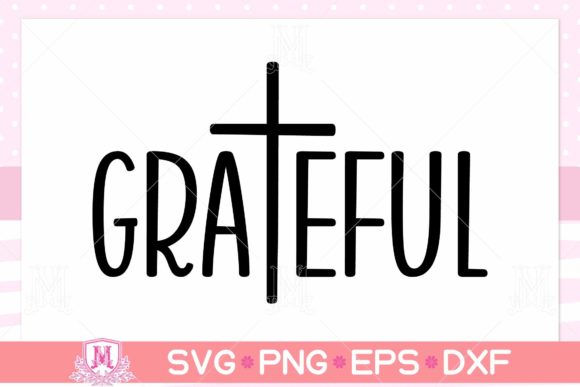
The immediate strength of this Grateful Svg, Christian Svg, Religious design lies in its emotional resonance. It carries a softness that is essential for faith-based merchandise. Unlike bold, aggressive typography that can sometimes feel stark when stitched out, this layout suggests a gentler aesthetic. As I examined the curves and spacing, it became clear that this design naturally belongs on items meant for comfort and reflection. It doesn't scream for attention; rather, it invites a moment of pause. For an Etsy seller or boutique owner, this visual personality is crucial. Customers browsing for personalized gift options are often seeking something that feels authentic and serene, not mass-produced or overly commercial.
From a technical standpoint, the balance of the composition appears well-suited for conversion. The negative space allows for adequate stabilization, which is a common failure point in religious text designs where letters are packed too tightly. This breathing room suggests that when digitized properly, the design will maintain structural integrity without causing fabric puckering, provided the correct stabilizer is used.
Real-World Application: The Custom Tote Bag Test
To truly evaluate this asset, I applied it to a specific scenario: creating a custom canvas tote bag for a church women’s retreat. Canvas is a forgiving yet textured medium, making it an excellent test for stitch density and clarity. In this context, the Grateful Svg, Christian Svg, Religious design served as the central focal point.
When preparing the embroidery file for this project, I considered how the design would interact with the natural weave of the canvas. A tote bag design needs to be legible from a distance but detailed enough to reward close inspection. Because this graphic has distinct shapes, it offers versatility in digitizing. You could opt for a classic satin stitch border to give it definition, or utilize a fill stitch with a lighter density to prevent the bag from becoming stiff and board-like. During my mental walkthrough of the stitching process, I noted that the design’s flow would work beautifully with a variegated thread, adding depth to the message of gratitude without overwhelming the simple elegance of the base graphic.
For commercial embroidery purposes, this versatility is gold. The same file that works for a heavy canvas tote can be adapted for sweatshirt embroidery. On fleece, the design would sink slightly into the pile, creating a cozy, integrated look that customers love for fall and winter apparel. This adaptability increases the ROI of the digital asset for any craft business looking to expand their product line across seasons.
Navigating Technical Limitations and Fabric Choices
While the Grateful Svg, Christian Svg, Religious design is versatile, no graphic is universally perfect. As an experienced reviewer, I must highlight where caution is required. If you are planning to use this for baby embroidery on onesies or delicate knits, you must assess the complexity of the inner details. Baby garments require minimal stitch counts to avoid irritation and fabric distortion. If the original SVG contains intricate filigree or extremely thin connecting lines, these may need to be simplified or converted to a running stitch rather than a satin column to prevent tearing the stretchy fabric.
Similarly, dark fabrics present a challenge. While the PNG preview might look stunning on a white background, stitching light thread on black cotton requires careful consideration of underlay. Without proper foundational stitches, the design might get lost or appear muddy. I always recommend testing thread colors against your specific garment before running a full production batch. For custom apparel like performance wear or moisture-wicking shirts, the design size may need to be reduced to prevent the stabilizer from showing through the sheer fabric.
Curved surfaces like caps also demand scrutiny. A flat digital embroidery file does not always map correctly to a cylindrical cap frame. If the "Grateful" text spans wide, the outer edges may distort when stitched on a hat. In such cases, resizing or re-digitizing specifically for headwear is necessary to maintain professional quality. Always verify your hoop size capabilities against the design dimensions before committing to a cap project.
Enhancing Product Value and Customer Trust
Using high-quality, thoughtful graphics like this directly impacts buyer engagement. In the saturated market of faith-based goods, professionalism sets you apart. A clean, well-executed stitch-out of the Grateful Svg, Christian Svg, Religious design signals to the customer that you care about the message as much as the medium. Sloppy registration marks or thread breaks caused by poor digitizing can undermine the spiritual sentiment of the product. Conversely, a crisp, well-stabilized result enhances the perceived value of the finished product.
For sellers creating printable mockups or listing photos, ensure your digital previews accurately represent what the embroidery will look like. Misleading customers with flat vector art when the actual product has texture leads to returns and negative reviews. Use this design to build brand consistency; its timeless nature means it won't look dated in six months, protecting your inventory investment.
Essential Designer Notes for Success
Before you load this design into your machine or list it in your shop, adhere to these practical guidelines derived from years of production experience:
- Verify Licensing: The product description states this is a digital product including SVG and PNG files. However, it does not explicitly detail commercial licensing terms for physical goods versus digital redistribution. Always confirm whether you can sell finished embroidered items or if the license restricts usage to personal projects before launching an Etsy seller listing.
- Test on Scrap Fabric: Never run a new design directly on a client’s garment. Test the embroidery project on a scrap of the exact material you intend to use. Check for puckering, thread tension issues, and design alignment.
- Check Stitch Density: Since this is a vector graphic source, if you are digitizing it yourself or purchasing a pre-digitized version, inspect the density. Too dense causes holes in knit fabrics; too sparse looks cheap on towels. Adjust based on fabric texture.
- Contrast Testing: View the design in black and white during the editing phase. This reveals whether the design relies too heavily on color differentiation rather than structural contrast, ensuring readability on monochromatic handmade product lines.
- Stabilizer Selection: Match your backing to the fabric weight. Cut-away for stretchy knits and sweatshirts; tear-away for stable wovens like canvas tote bags; water-soluble for sheer fabrics or lace effects.
- Mockup Accuracy: When creating marketing assets, use realistic textures in your design assets. Show the design on a wrinkled linen pillow cover or a heathered sweatshirt to manage customer expectations regarding the final tactile result.
Ultimately, the Grateful Svg, Christian Svg, Religious design offers a strong foundation for meaningful creation. Whether you are producing holiday embroidery for Christmas gifts, crafting patches for ministry teams, or building a cohesive collection of small shop product offerings, success lies in respecting the relationship between the digital file and the physical stitch. By approaching this graphic with technical mindfulness and artistic intention, you transform a simple download into a cherished keepsake that resonates deeply with the end user.