HoleJesus_Box03: A Designer’s Review for Real Projects
First Impressions: Visual Weight and Structural Integrity
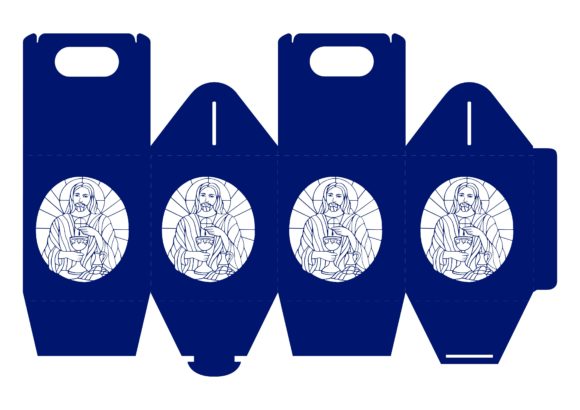
When evaluating a new digital asset for my studio, I look beyond the thumbnail. As an experienced designer reviewing HoleJesus_Box03, my immediate focus is on how this graphic translates from screen to substrate. While the product description highlights compatibility with cutting software like Silhouette Studio and Cricut Design Space, my perspective is strictly rooted in embroidery application. For those of us adapting graphics into stitch files, this gift box model presents a distinct geometric challenge and opportunity. The "Model 03" designation suggests a specific iteration, likely refined for balance, which is crucial when converting vector lines into satin or fill stitches.
The visual personality of this design leans toward structured elegance. It does not feel whimsical or chaotic; rather, it possesses a clean architectural quality that appeals to buyers looking for professional-grade merchandise. In the realm of Crafts and Graphics, finding a box template that doesn't look flat or distorted when stitched is rare. This file appears to offer the necessary anchor points for creating a dimensional effect, whether used as a standalone motif or a container for personalized text. For a small business owner or Etsy seller, this structural clarity is vital because it signals quality to the customer before they even touch the finished product.
Real-World Application: The Holiday Tote Bag Test
To truly understand the value of HoleJesus_Box03, I mentally placed it onto a recent client project: a series of premium canvas tote bags intended for corporate holiday gifting. In this scenario, the design serves as more than just decoration; it acts as a branding vessel. When adapting this graphic for a tote bag design, the primary concern is stability. Canvas is forgiving, but the rigid lines of a gift box require absolute precision to avoid looking crooked.
In this real-life case, I would utilize the outer edges of the box as a guide for placement hooping. If this were being converted into an applique design, the straight lines of HoleJesus_Box03 would serve as excellent tack-down guides for fabric pieces, reducing the risk of fraying edges often seen with curved applique shapes. Alternatively, if executed entirely in thread, the box provides a perfect frame for monograms or company logos. For an Etsy seller creating listing photos, this design offers high "giftability." Customers can instantly visualize their own name or message inside the box, making it a powerful tool for driving engagement on personalized gift listings. The design’s versatility allows it to bridge the gap between a simple holiday embroidery accent and a central feature on custom apparel.
Technical Considerations for Stitch Translation
Because HoleJesus_Box03 originates as a graphic file compatible with cutting software, embroiderers must exercise technical diligence during digitization or adaptation. Vector lines do not automatically account for thread physics. When preparing this as a machine embroidery design, you must verify the intended size against your available hoop size. A gift box design relies on proportion; stretching it to fit a larger hoop without adjusting stitch density can result in sparse, weak coverage, while shrinking it too much may cause thread breaks due to excessive density.
Pay close attention to corner management. Sharp corners in graphics often translate to bulky stitch buildup in embroidery. You may need to adjust the pull compensation or modify the corner angles slightly to ensure the satin stitch or fill stitch lays flat. If you are using this for baby embroidery or items requiring frequent washing, ensure the internal structure uses appropriate underlay. Without proper stabilization planning, a geometric shape like this can distort the fabric, causing the "box" to look warped after the first laundry cycle. Always confirm whether the source file includes layering information that can inform your digitizing path, ensuring the most efficient stitch order for commercial production.
Fabric Compatibility and Risk Assessment
Not every fabric is a suitable canvas for the precise geometry of HoleJesus_Box03. Based on my experience with similar structural graphics, here is where you should proceed with caution:
- Stretchy Knits and Performance Wear: The rigid lines of a gift box contrast poorly with unstable fabrics. Unless you use a heavy-duty cutaway stabilizer and potentially a topping, the box will likely warp when the garment is worn.
- High-Pile Textures: On terry cloth towels or plush blankets, the fine details of the box outline may get lost. You may need to increase the column width or switch to a bolder running stitch definition to maintain visibility.
- Curved Surfaces: Applying this design to caps or curved sleeves is risky. The horizontal and vertical lines that define the box will emphasize any curvature in the base material, potentially making the design look unintentionally skewed.
- Sheer or Lightweight Fabrics: The density required to make a solid-looking gift box may be too heavy for organza or light linen, leading to tearing or puckering.
For small shop products like kitchen towels or aprons, cotton and linen blends remain the safest bet. These fabrics provide the stable foundation necessary for the crisp aesthetic that HoleJesus_Box03 demands.
Commercial Viability and Brand Perception
For creative entrepreneurs and craft business owners, the decision to use a specific design asset often comes down to perceived value. HoleJesus_Box03 scores well in professionalism. Unlike overly ornate or trendy clip art, this structured model has a timeless utility. It enhances the perceived value of a handmade product by providing a polished, intentional layout. When customers see a well-executed geometric frame, they associate it with higher-end manufacturing standards compared to free-form, organic sketches.
This design also supports brand consistency. If you are building a collection of commercial embroidery products, having a repeatable graphical element like this box helps tie disparate items together. It can serve as a signature packaging motif on tags, labels, or the products themselves. However, a critical note for digital product sellers and makers: always verify the licensing terms associated with the original graphic file. Just because a file works in Cricut Design Space does not automatically grant rights to sell digitized versions or mass-produced embroidered goods. Protect your business by confirming usage rights before listing any finished product derived from this asset.
Designer’s Checklist Before Production
Before committing HoleJesus_Box03 to a final run of sweatshirt embroidery or boutique inventory, follow this practical validation process:
- Create Printable Mockups: Use a printable mockup to test scale and placement visually before wasting thread. Does the box overwhelm the garment or complement it?
- Test Stitch on Scrap: Never skip this step. Verify that the thread colors chosen provide enough contrast against the fabric texture. A white box on cream fabric lacks impact.
- Audit Small Details: If the design includes tiny text or intricate latch points within the box model, inspect them closely. They may need to be simplified for embroidery to prevent needle breaks.
- Check Washability: If selling custom apparel, wash and dry your test sample. Geometric designs show distortion faster than organic ones; ensure your stabilizer choice holds up.
- Verify File Integrity: Since this is listed as a graphic for cutting software, ensure you have successfully converted or traced it into a valid embroidery file format (.pes, .dst, .exp, etc.) compatible with your specific machine.
By treating HoleJesus_Box03 as a technical component rather than just a pretty picture, you ensure that your final output meets the high standards expected by today’s handmade market. Whether you are crafting a single embroidered patch or fulfilling a bulk order, this level of scrutiny is what separates hobbyists from professional designers.