In Jesus Name I Play: A Designer’s Embroidery Review
As a professional embroidery digitizer and product reviewer, I approach every new graphic with a specific question: will this actually stitch out well on real fabric? When evaluating In Jesus Name I Play, my focus shifts immediately from the screen to the hoop. This design carries a distinct sentiment that resonates deeply within the faith-based crafting community, but emotional resonance must be matched by technical viability. For Etsy sellers, boutique owners, and hobbyists creating personalized gifts or custom apparel, understanding how this artwork translates into thread is the difference between a bestseller and a production headache.
First Impressions and Visual Personality
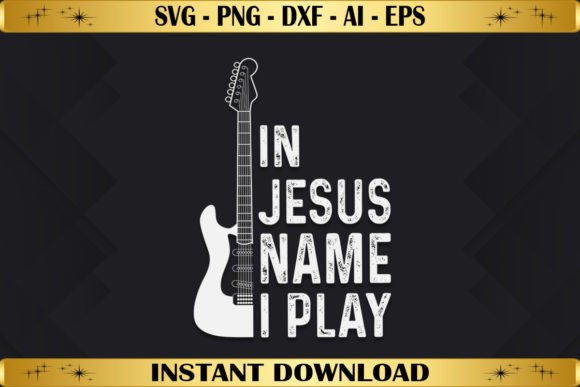
Upon opening the vector files, the layout of In Jesus Name I Play presents a balanced, playful typography that feels organic rather than rigid. The mood is undeniably joyful and youthful, making it an immediate candidate for children’s ministry merchandise, nursery decor, or family reunion gear. From a design perspective, the lettering appears to have enough weight to support various stitch types, which is crucial. Thin, spindly fonts often disappear into textured fabrics or require excessive underlay that creates bulk. Here, the visual personality suggests a versatility that bridges the gap between a delicate baby embroidery project and a bold statement piece for a youth group sweatshirt embroidery.
The inclusion of SVG, PNG, DXF, AI, and EPS formats indicates this is primarily a graphic asset. For those of us in commercial embroidery, this means we are likely working with a source file that requires digitizing or is intended for hybrid media projects. If you are using this as a base for a machine embroidery design, the clean lines in the AI and EPS files provide an excellent roadmap for manual digitizing, allowing you to control stitch density and pull compensation precisely where needed.
Real-World Application: The Custom Tote Bag Test
To truly evaluate this design, I mentally placed it onto a canvas tote bag—a staple handmade product for church events and summer camps. Canvas is unforgiving; it has a loose weave that can swallow fine details. In this scenario, In Jesus Name I Play performs best when treated as a mixed-media or appliqué foundation. I envision the phrase "In Jesus Name" executed in a sturdy satin stitch or filled column to ensure legibility against the nubby fabric texture. The word "Play" offers a creative opportunity for texture; perhaps a fill stitch with a playful pattern or even a fabric appliqué layer to add tactile interest.
For a tote bag design, placement is everything. Center-chest placement on a shirt is standard, but on a tote, you must account for the bag's gusset and handles. This design’s aspect ratio seems adaptable enough to sit comfortably in the upper third of a 15x16 inch tote without getting lost near the seams. When stitching this out, I would recommend a medium-weight cutaway stabilizer to prevent the canvas from tunneling, especially if converting the vector art into a dense embroidery file. The result is a high-value item that feels professional rather than homemade, increasing buyer trust and perceived worth for your craft business.
Navigating Fabric Challenges and Hoop Limitations
While the design is versatile, certain applications require caution. If you are planning baby embroidery on ribbed knit or stretchy jersey, the open spaces in the lettering could distort without proper stabilization. Stretchy fabrics demand a fusible mesh stabilizer and potentially a topping to keep stitches from sinking. I would advise testing In Jesus Name I Play on scrap fabric first before committing to expensive organic cotton onesies. The "Play" element, depending on its stylization, might contain tight corners that are difficult to execute cleanly on curved surfaces like caps. If you intend to use this for hat embroidery, verify that the design height fits within your cap frame’s safe zone and consider simplifying any intricate serifs to avoid needle breaks or registration issues.
Dark fabrics present another consideration. While the provided PNG is useful for printable mockups, remember that embroidery on black or navy requires higher contrast thread colors and potentially more underlay to prevent the fabric grain from showing through the stitches. If the original graphic relies on thin lines, you may need to thicken them during the digitizing process specifically for dark garments. Always compare light and dark fabric backgrounds in your software before stitching; what looks crisp on a white digital preview might lack definition on charcoal fleece.
Commercial Viability for Makers and Sellers
For Etsy sellers and small shop owners, In Jesus Name I Play serves as a strong anchor for niche collections. It fits naturally into holiday embroidery assortments, baptism gifts, and Christian education resources. However, professionalism extends beyond the stitch-out. Because this product includes vector formats, it is ideal for creating consistent branding across multiple mediums. You can offer the embroidered patch version alongside printed mugs or popsockets using the same source art, ensuring brand consistency that customers recognize and trust.
When listing finished products, use the high-resolution PNG to create accurate digital previews, but always supplement with photos of actual stitch-outs. Customers in the Crafts category value authenticity. Showing the texture of the satin stitch or the sheen of the rayon thread builds confidence that you understand your medium. Furthermore, if you are selling the digital embroidery file itself, be transparent about the included formats. Since the package lists graphics files (SVG, DXF, AI, EPS) rather than machine-specific formats like PES or DST, clarify whether the buyer needs to digitize it themselves or if you are providing a pre-digitized version. Misunderstandings here lead to negative reviews; clear communication protects your shop’s reputation.
Essential Technical Notes for Success
Before loading In Jesus Name I Play into your machine or listing it in your store, run through this practical checklist:
- Verify Licensing: Confirm whether your purchase allows for commercial use of finished items versus selling the digital assets themselves. This distinction is vital for protecting your business.
- Test Stitch Density: If digitizing from the vector, aim for 0.4mm to 0.5mm spacing for standard fill stitches to balance coverage with fabric drape. Overly dense designs make garments stiff and uncomfortable.
- Check Small Details: Inspect any interior counters (the holes in letters like 'a', 'e', 'o'). If they are smaller than 1mm, they may close up during stitching. Open them slightly in your digitizing software or choose a bolder font weight.
- Stabilizer Matching: Pair the stabilizer to the fabric, not just the design. Woven fabrics generally need tear-away; knits and stretchy materials need cutaway. Sheer fabrics may require water-soluble toppings.
- Mockup Accuracy: Use the included PNG for social media marketing, but ensure the colors match your available thread palette. Discrepancies between digital previews and physical products cause returns.
- Hoop Size Confirmation: Measure the final design dimensions against your machine’s maximum embroidery area. Resizing vectors is easy; resizing embroidery files can distort stitch angles and density.
Ultimately, In Jesus Name I Play is a promising asset for the thoughtful maker. Its strength lies in its clear message and adaptable structure, but its success depends entirely on your technical execution. By respecting the interplay between graphic design and textile physics, you transform simple Graphics into cherished, tangible expressions of faith. Whether you are crafting a single personalized gift or building a seasonal collection for your small shop product line, approaching this design with intentionality ensures your finished work honors both the sentiment and the craft.