Minimalist Flat Pine Tree Forest Logo: Graphics & Logos Review
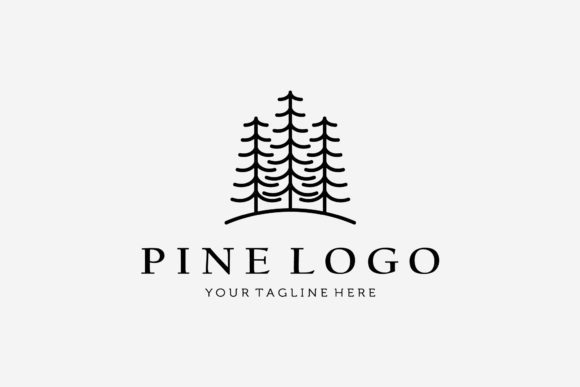
As a digital publisher and blog designer, I constantly evaluate visual assets not just for their aesthetic appeal, but for their functional utility in a real content workflow. When I first opened the Minimalist Flat Pine Tree Forest Logo, my immediate assessment was that this is a highly versatile graphic design asset tailored for nature-centric editorial niches. The design evokes a sense of calm, organic stability, and modern cleanliness. It avoids the cluttered, overly intricate details often found in vintage outdoor logos, opting instead for a flat, geometric simplicity that translates exceptionally well to screens.
This specific visual mood is critical for reader perception. In the current digital landscape, audiences associate clean, minimalist aesthetics with professionalism and trustworthiness. For a travel blogger, an eco-friendly lifestyle brand, or an outdoor education platform, this logo signals that the content is curated and contemporary rather than dated. It feels grounded yet airy, making it an ideal anchor for websites focused on sustainable living, hiking guides, forest bathing, or seasonal wellness. As a piece of creative design, it strikes a balance between artistic expression and commercial usability, ensuring that your brand identity remains legible across various digital touchpoints.
Integrating Vector Graphics into Editorial Workflows
In my daily publishing operations, versatility is non-negotiable. A logo must perform equally well as a tiny favicon and as a large hero image background. This asset delivers on that front because it includes four distinct file formats: EPS 10, SVG, PDF, and JPG. For web design and responsive layouts, the SVG file is the most valuable component. I frequently use SVGs for website headers and navigation bars because they remain crisp on high-resolution Retina displays without adding significant page weight. This directly supports site speed, which is a crucial factor for both user experience and SEO rankings.
The inclusion of the EPS 10 file is essential for deep customization. While the product notes indicate that the text is non-editable, the vector-based iconography allows for extensive modification. Using Adobe Illustrator, I can easily recolor the pine tree elements to match a specific seasonal palette or adjust the line weight to better suit a delicate serif font pairing. This level of control transforms a standard digital download into a bespoke element of your small business branding. For publishers creating Canva templates or lead magnets, having a transparent, scalable vector ensures that the logo never looks pixelated when placed over complex backgrounds or photographs.
Strategic Placement for Content Marketing and Engagement
Visual hierarchy dictates how readers consume content, and this logo serves as an excellent tool for establishing that hierarchy. In real-world application, I have found this style of graphic most effective when used as a recurring visual motif. For Pinterest pin designs, the flat pine tree acts as an instant category recognizer. When a user scrolls through their feed, the consistent shape creates a mental association with your niche before they even read the headline. This consistency improves click-through potential because the audience learns to identify your content visually.
Beyond social media graphics, this asset shines in long-form editorial design. I often place simplified versions of such logos as section dividers or pull-quote accents within blog posts to break up text density. For affiliate marketing sites reviewing camping gear or eco-products, placing this logo near product recommendations can subtly reinforce the thematic relevance of the review. It also works beautifully as a watermark on printable design resources or digital guide covers, providing copyright protection while enhancing the perceived value of the downloadable resource. The minimalist nature ensures it adds authority without distracting from the primary call-to-action or affiliate links.
Evaluating Performance Across Digital Platforms
While the Minimalist Flat Pine Tree Forest Logo is robust, successful implementation requires strategic placement. Based on my testing, this asset performs best in medium-to-large scale applications. Hero images, newsletter headers, and eBook covers are prime real estate where the flat geometry can breathe. The negative space inherent in the design allows for easy overlay of white text, making it perfect for YouTube thumbnails or Instagram carousel covers where readability is paramount.
However, publishers should exercise caution in specific contexts. Because the design relies on flat shapes rather than high-contrast outlines, it may lose definition when scaled down to extremely small mobile thumbnails or favicons. In these instances, I recommend simplifying the mark further or using a solid-color variation. Additionally, if your website utilizes a busy, textured background pattern, this flat logo might struggle to stand out. It thrives on whitespace and solid colors. For serious corporate finance or medical niches, the playful, illustrative quality of a pine tree might feel too casual; this asset is strictly best suited for lifestyle, recreation, education, and wellness sectors. Always preview the asset within your actual live theme rather than relying solely on mockups to ensure it aligns with your existing typography and color grading.
Publisher Notes: Technical Specs and Licensing Compliance
Before deploying any graphic design asset on a monetized platform, due diligence is required. First, test the contrast ratios. Place the logo against your site’s primary background color and verify accessibility standards. Try pairing it with various typefaces; I found it pairs exceptionally well with modern sans-serifs for a tech-forward outdoor look, or with handwritten scripts for a more personal, journal-style blog. Second, optimize your files. Even though vectors are lightweight, if you export to JPG for certain uses, ensure you compress the image to maintain fast load times. Large, unoptimized graphics are a common killer of bounce rates.
Crucially, review the licensing terms associated with this digital download. The product description mentions "Happy sh," which likely refers to the creator or marketplace license tier. As a commercial publisher, you must confirm whether your intended use falls under personal or commercial license categories. If you plan to sell Canva templates featuring this logo, create merchandise, or use it in paid advertising campaigns for affiliate products, ensure you have the appropriate commercial rights. Proper licensing protects your business from future legal issues and supports the original designers in the creative marketplace.
Ultimately, the Minimalist Flat Pine Tree Forest Logo is a strong contender for creators needing a polished, nature-inspired visual anchor. Its vector flexibility allows it to adapt to evolving brand identities, while its flat aesthetic ensures it remains relevant in modern web design. By treating this asset as a functional part of your content strategy rather than just decoration, you can enhance reader trust, streamline your design workflow, and create a cohesive visual narrative across your blog, newsletter, and social media channels. Whether you are launching a new outdoor affiliate site or refreshing an established wellness brand, this graphic provides the professional foundation necessary for high-quality digital publishing.