Watercolor Jesus: A Designer’s Embroidery Review
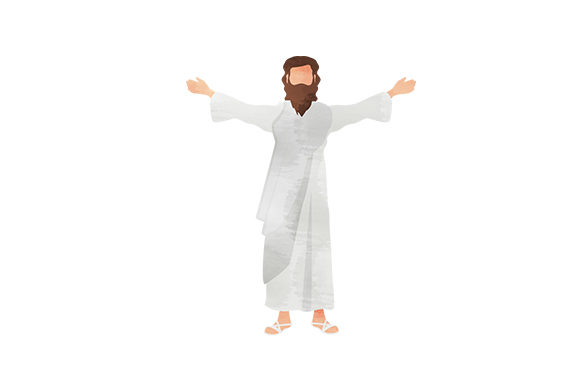
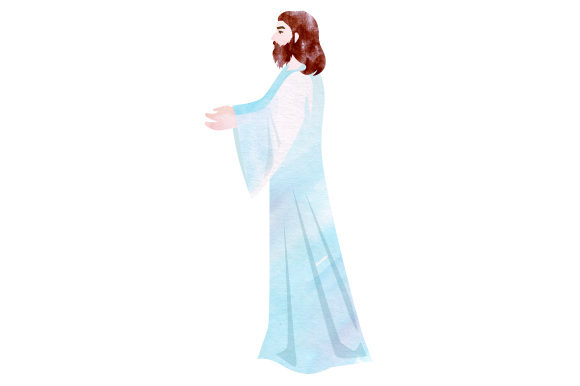
When evaluating religious artwork for machine embroidery, the transition from screen to stitch is rarely seamless. As a designer who regularly tests digital assets for commercial and personal projects, I approach Watercolor Jesus with a critical eye toward translatability. This design arrives in SVG, Transparent PNG, EPS, and DXF formats, which immediately signals versatility for both print and stitch applications. However, for those of us running embroidery machines, the vector and raster files serve primarily as high-fidelity references. The true test lies in how the soft, blended aesthetic of watercolor art translates into thread on fabric.
My first impression of this artwork is one of gentle reverence. Unlike traditional religious iconography that often relies on heavy outlines and bold, solid fills, this piece captures a fluid, artistic mood. For an Etsy seller or boutique owner, this visual personality is gold. It moves away from rigid tradition and appeals to a modern demographic seeking faith-based items that feel organic and handmade rather than mass-produced. The layout suggests a central focal point that would anchor a garment or home decor item beautifully without overwhelming the negative space.
Real-World Application: Stitching for a Custom Tote Bag
To truly evaluate Watercolor Jesus, I mentally placed it onto a specific project: a natural canvas tote bag intended as a personalized gift for a church retreat. Canvas is a textured fabric that can be unforgiving with fine details, making it the perfect stress test. In this scenario, the design needs to maintain its integrity against the weave of the material while remaining soft enough to honor the watercolor inspiration.
For this custom apparel application, I would avoid attempting to replicate the exact watercolor gradients with standard fill stitch. Instead, I would utilize the provided SVG or EPS file to create a hybrid approach. Using a light running stitch to outline the primary forms combined with tonal thread colors in a low-density fill stitch allows the fabric texture to contribute to the "watercolor" effect. This technique prevents the embroidered patch area from becoming bulletproof, ensuring the tote bag remains functional and drapes naturally. For Etsy sellers listing similar finished products, this balance of artistic intent and structural reality is what separates professional goods from amateur crafts.
Navigating Fabric Choices and Stabilizer Needs
The success of this machine embroidery design hinges entirely on your substrate selection. Because the source art implies softness, using stiff, heavy stabilizer on lightweight fabric will ruin the hand-feel of the final product. If you are planning sweatshirt embroidery, the fleece backing provides excellent support, but you must account for the pile. A water-soluble topping is non-negotiable here to prevent stitches from sinking into the fabric, which would obscure the delicate details of the Jesus figure.
Conversely, if you are working on baby embroidery or thin linens for nursery decor, caution is required. These fabrics cannot support high stitch density. You may need to edit the digital embroidery file to reduce underlay or simplify internal details. Always check the hoop size requirements before purchasing; intricate religious art often demands a larger field to maintain clarity. Attempting to shrink this design down to a 4x4 hoop might result in lost facial features or muddy color blending, diminishing the value of the handmade product.
Commercial Viability for Makers and Shops
For creative entrepreneurs and small shop owners, Watercolor Jesus offers significant commercial potential, provided it is used strategically. The transparent PNG format included in this package is invaluable for creating printable mockups. Before you commit thread to fabric, overlay the design on digital photos of blank apparel or tea towels. This allows you to verify placement and scale, ensuring the composition looks balanced in marketing photos. High-quality mockups build customer trust and increase buyer engagement by showing exactly what the finished product will look like.
In terms of market positioning, this design fits squarely into the "modern faithful" niche. It works exceptionally well for holiday embroidery, wedding gifts, and boutique branding where traditional clip art feels outdated. However, business owners must verify licensing. While the file formats suggest commercial utility, always confirm whether you are licensed to sell finished physical products versus digital design assets. Protecting your craft business means respecting intellectual property boundaries while maximizing the utility of legitimate resources.
Critical Considerations for Dark and Textured Materials
One area requiring careful judgment is color contrast on dark fabrics. Watercolor effects rely on luminosity and transparency. On black or navy garments, these qualities can vanish unless you adapt the embroidery file. You may need to add a white underlay base or adjust thread colors to brighter, more opaque shades to maintain visibility. Test stitching on scrap fabric is mandatory. Do not risk a premium sweatshirt or custom apron without first confirming that the thread colors pop sufficiently against the background.
Additionally, consider the washability of the finished product. Religious items like pillow covers and kitchen towels see frequent use and laundering. Ensure your stitch type selection prioritizes durability. Satin stitch borders can snag, whereas running stitch or tatami fills generally withstand wear better. If the design includes tiny lettering or minute details, evaluate whether they will survive repeated washing cycles. Sometimes, less is more; simplifying the design for utilitarian items preserves the spirit of the art while ensuring longevity.
Designer Notes for Optimal Results
Before loading Watercolor Jesus into your machine, run through this practical checklist to ensure professional results:
- Verify File Compatibility: Confirm that the SVG, EPS, DXF, or PNG files are compatible with your specific digitizing software or machine interface before starting.
- Test on Scrap Fabric: Always run a sew-out on the exact fabric and stabilizer combination you plan to use for the final project to check registration and density.
- Check Thread Color Contrast: View your thread palette in natural lighting to ensure the tones blend effectively to mimic the watercolor aesthetic.
- Review Stitch Density: Inspect the design for overly dense areas that could cause puckering, especially on stretchy or lightweight materials.
- Confirm Hoop Size: Measure the actual design dimensions to ensure it fits comfortably within your hoop with adequate margin for stabilization.
- Mockup First: Use the transparent PNG to create digital previews for client approval or Etsy listings before consuming physical materials.
- Licensing Check: Re-read the terms of use to confirm permissions for selling finished goods or using the image in commercial advertising.
Ultimately, Watercolor Jesus is a beautiful asset for the discerning maker. It bridges the gap between digital art and tangible craft, offering a fresh take on religious imagery. By approaching this design with technical mindfulness and artistic sensitivity, you can transform these digital files into meaningful, high-quality embroidered products that resonate deeply with recipients and customers alike. Whether for a personalized gift or a new line of commercial embroidery, success lies in honoring both the art and the mechanics of the stitch.