Saved by Grace Wall Art: An Embroidery Designer’s Review
As a professional designer who regularly evaluates digital assets for both laser cutting and machine embroidery, I approach every new file with a specific set of criteria. When I first opened the Saved by Grace Wall Art package, my immediate focus was on its versatility. While this product is primarily categorized under Wall Decor and marketed for Laser Cutting, the inclusion of high-resolution PNG and vector AI/SVG files makes it a compelling candidate for mixed-media projects. For embroidery designers and small business owners, the question isn't just whether the artwork is beautiful—it is whether those clean lines will translate into stitches without losing their soul.
First Impressions and Visual Mood
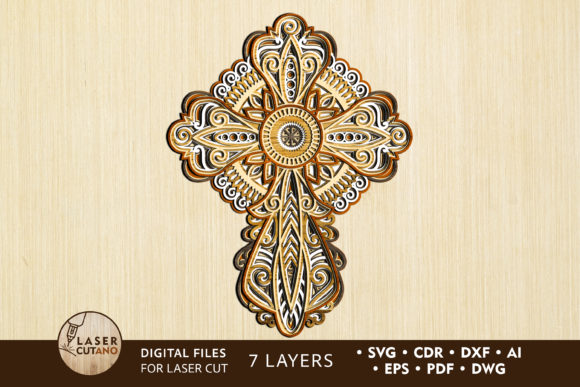
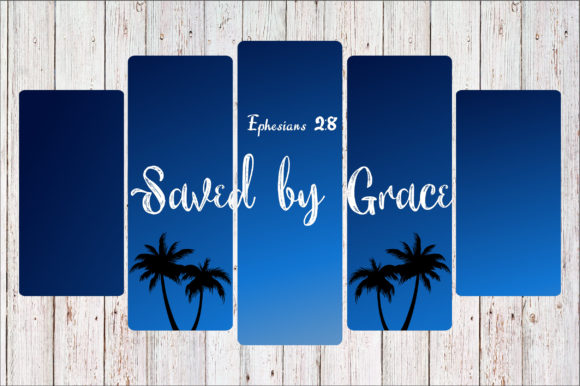
The aesthetic of Saved by Grace Wall Art strikes a balance between traditional reverence and modern minimalism. The typography is legible yet elegant, avoiding the overly ornate script that often causes registration issues in embroidery. Visually, it carries a sense of calm and permanence. As a reviewer, I look for designs that evoke an emotional response while maintaining structural integrity. This design succeeds because the negative space is well-balanced against the positive elements. For a maker creating faith-based merchandise or personalized gifts, this mood is essential. It doesn't scream for attention; rather, it invites contemplation, which is exactly what you want for nursery decor, wedding gifts, or boutique branding.
Real-World Application: The Custom Tote Bag Test
To truly evaluate this asset, I mentally mapped it onto a real-life project: a natural canvas tote bag intended as a church retreat gift or a boutique staple. Canvas is a textured fabric that can be unforgiving to fine details. In this scenario, Saved by Grace Wall Art performs admirably because of its bold line work. If I were digitizing this for a tote bag design, I would utilize the SVG file to create custom appliqué shapes for the larger background elements, reserving satin stitch or running stitch for the text.
The transparency of the 300ppi PNG file allows for easy placement in embroidery software without having to manually trace a low-quality image. For a craft business or Etsy seller, this efficiency matters. You can quickly mock up a sweatshirt embroidery or pillow cover to show clients how the finished product will look before committing to stitching. The design’s layout suggests it would sit perfectly centered on a tote or slightly above the heart on a sweatshirt, providing that professional, handmade product feel that buyers trust.
Navigating Fabric Choices and Stabilizer Needs
While the artwork is versatile, not every surface is suitable for this specific design style. Because Saved by Grace Wall Art relies on clarity, using it on highly textured fabrics like terry cloth or chunky knits requires caution. The detail level is moderate, meaning it won't disappear entirely, but the crispness of the lettering could suffer without proper preparation.
For stretchy fabrics like jersey knits used in baby embroidery or t-shirts, stabilizer choice is non-negotiable. I recommend a cut-away stabilizer to prevent the design from distorting after washing. If you are attempting this on dark fabric, remember that the original files are likely optimized for laser cutting (often black lines). You must test thread colors against your fabric swatch first. A white or cream thread on navy offers classic contrast, but ensure the stitch density is sufficient to prevent the dark fabric from showing through. Conversely, on sheer or lightweight fabrics, this design might be too dense. Always check the weight of your material against the intended use; a heavy fill stitch on voile will cause puckering and potential tearing.
Technical Considerations for Digitizers
It is crucial to address the file formats provided. The product description specifies SVG, AI, and PNG files. These are graphic arts formats, not native embroidery files like DST or PES. For machine embroidery design, this means you or your digitizer must convert these vectors into stitches. This is actually an advantage for experienced creators because it allows you to customize the stitch type. You aren't locked into someone else's digitizing choices.
However, this also means you must verify licensing before selling finished items. While the instant digital download provides the art, commercial embroidery rights vary. Always confirm whether you can sell the physical embroidered patch or custom apparel created from this file. For digital product sellers, note that you generally cannot resell the digital embroidery file itself unless explicitly permitted. Respecting these boundaries protects your craft business reputation and ensures ethical practices within the maker community.
Optimizing for Small Hoops and Detailed Corners
One area where Saved by Grace Wall Art requires careful handling is in small hoop sizes. If you are working with a 4x4 hoop for baby clothes or cap embroidery, scaling down is inevitable. Before resizing, inspect the tiny lettering and decorative accents. Serif fonts and thin connecting lines are the first casualties of reduction. If the text becomes illegible at your desired size, consider using only the main phrase or pairing the graphic element with simpler block lettering.
Detailed corners and sharp angles in vector art don't always translate to smooth stitches. When converting for embroidery, you may need to add pull compensation or adjust node points to prevent gaps. Test the design on scrap fabric first. This step saves time and materials, especially when producing holiday embroidery or personalized gifts where perfection is expected. A printable mockup is great for sales, but a physical stitch-out confirms that the design assets actually work on your specific machine and fabric combination.
Enhancing Product Value and Customer Trust
Ultimately, the value of Saved by Grace Wall Art lies in its ability to elevate your product line. Whether you are making wall hangings that combine laser-cut wood with embroidered felt, or simply offering high-quality custom apparel, this design communicates professionalism. Customers recognize when a design has been thoughtfully adapted for its medium. They can tell the difference between a generic clip-art stitch-out and a purposeful embroidery project.
For Etsy sellers and small shop owners, consistency builds brand recognition. Using cohesive design assets like this across different products—matching tea towels, aprons, and nursery blankets—creates a collection that encourages multiple purchases. The clean, watermark-free files allow you to present your work authentically. When buyers see clear, well-executed photos of your finished product, their trust increases. They understand they are purchasing a handmade item crafted with care, not a mass-produced commodity.
Final Practical Notes for Makers
Before adding Saved by Grace Wall Art to your next production run, take a moment to plan. Check your hoop size limitations. Review the stitch density settings in your software to ensure they match your fabric texture. Compare light and dark fabric backgrounds to select the best thread colors. Most importantly, treat this digital download as a foundation for your creativity, not a final destination. By applying professional judgment and testing rigorously, you transform a simple wall art file into a cherished embroidered heirloom or a best-selling boutique item. The result is a product that honors both the original artistry and the skill of your own hands.